Low-pressure test chambers, as advanced testing equipment, are increasingly becoming a key tool for companies aiming to improve the accuracy of product lifespan predictions.
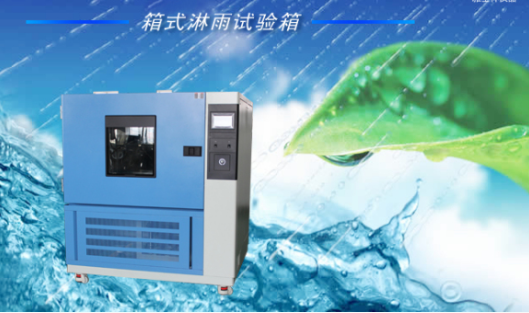
As a specialized environmental reliability testing equipment, the rain test chamber plays a vital role by accurately replicating a variety of natural rainfall conditions, providing scientific and authoritative validation for product waterproof performance.
The salt spray test chamber, as the key equipment for performing this test, has its stability and accuracy directly impacting the authority of the test results.
The HAST chamber combines high temperature, high humidity, and accelerated pressure to replicate extreme conditions that products might face over extended periods of use.
A thermal vacuum test chamber is a device used to simulate extreme temperature environments, typically employed for testing the performance and reliability of products under high and low-temperature conditions. It can provide both high and low-temperature environments and conduct tests under vacuum conditions.
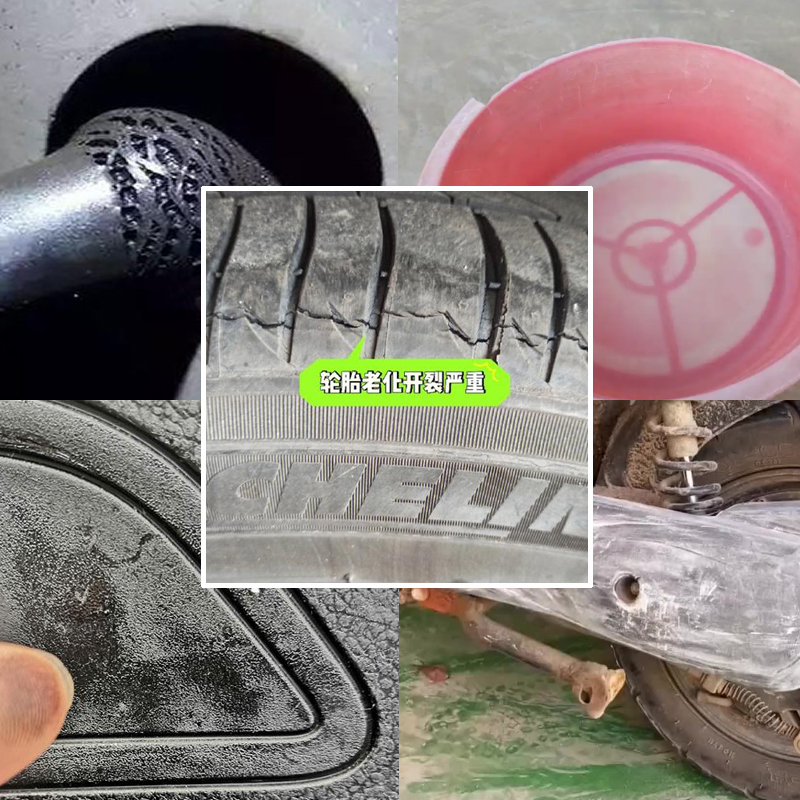
A UV aging test chamber simulates sunlight, moisture, and temperature to evaluate the degree of damage products may suffer under such conditions, such as fading, cracking, or chalking. The primary function of the instrument depends on two key factors.
The Rapid Temperature Change Test Chamber, also known as the temperature cycling test chamber, is used to study the effects of temperature on products and equipment throughout their lifecycle—from development and production to disposal.
A salt spray test chamber can perform three types of tests: Neutral Salt Spray (NSS), Acetic Acid Salt Spray (ASS), and Copper-Accelerated Acetic Acid Salt Spray (CASS).
The sulfur dioxide test chamber utilizes sulfur dioxide gas to accelerate the corrosion of materials or products under specific temperature and relative humidity conditions, replicating the extent of damage they would suffer over a certain period.
Take the high-temperature aging test chamber as an example. It is a high-value precision testing device. To ensure the service life of the device, the following three “regular” practices should be paid attention to during use.
Users are aware that water is required for humidity testing in constant temperature and humidity test chambers. Generally, it is recommended to use a dedicated water tank or an external water tower for water supply, as poor water quality may adversely affect the equipment.
It is normal for equipment to malfunction, which may be caused by improper operation or issues with the equipment itself. Based on years of after-sales service experience in the environmental testing industry, we have summarized the following common fault causes and solutions for waterproof test equipment.
We value your privacy We use cookies to enhance your browsing experience, serve personalized ads or content, and analyze our traffic. By clicking "Accept Essential Cookies", you consent to our use of cookies.

 High And Low Temperature Test Chamber Salt Spray Test Chamber Aging Test Series Walk In Testchamber Temperature Test Chamber Thermal Shock Test Chambers Programmable Temperature Humidity Test Chamber High and Low Temperature Low Pressure Test Chamber Salt Spray Corrosion Test Chamber Thermal Cycling Chamber Temperature Humidity Test Chamber High and Low Temperature Humidity Test Chamber Low Temperature Test Chamber High Temperature Test Chamber Thermal Cycling Chamber Rustproof Grease Humidity Test Chamber UV Aging Test Chamber Ozone Aging Test chamber Ventilation Aging Test Chamber Rain Test Chamber Sand and Dust Test Chamber Sulfur Dioxide Test Chamber Mold Test Chamber Ultra-Low Temperature Test Chamber Salt Spray Test Machine Condensation Test Chamber HAST Test Chamber Thermal Vacuum Test Chamber Battery Explosion-proof Test Chamber High and Low Temperature Battery Test Chamber PV Module UV Test Chamber Sunlight Simulation Test Chamber Photovoltaic Wet Freezing Test Chamber Photovoltaic Dustproof Test Chamber