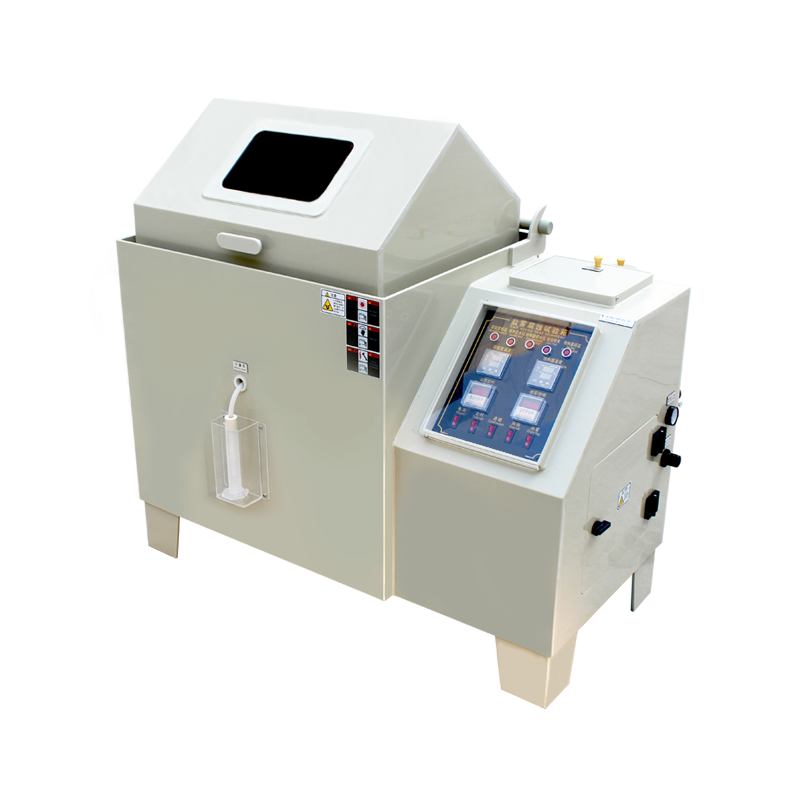
In the field of environmental reliability testing, salt spray testing is a core method for evaluating a product's corrosion resistance. The salt spray test chamber, as the key equipment for performing this test, has its stability and accuracy directly impacting the authority of the test results. Among its performance metrics, the air pressure adjustment capability is a crucial indicator, as it directly affects the uniformity and stability of salt spray settlement, as well as the repeatability of the test.
Air Pressure Adjustment Range: A Reflection of Technical Prowess
Generally, the air pressure adjustment range for a salt spray test chamber typically falls between 0.07 MPa and 0.17 MPa (some high-performance models may support an even wider range). This range covers the requirements for spray pressure stipulated by mainstream international testing standards (such as ASTM B117, ISO 9227, JIS Z2371), ensuring the equipment can simulate corrosive environments of varying severity.
Precise pressure control is no simple feat. It relies on sophisticated internal pneumatic design, high-quality pressure sensors, and a stable air compression system. Only when the pressure remains stable within the set parameters can the equipment guarantee fine, uniform salt spray particles and a settlement rate that complies with standards, thereby avoiding test failure or data deviation caused by pressure fluctuations.
Why is Air Pressure Adjustment So Critical?
- Impacts Spray Uniformity: Unstable pressure causes variations in salt spray droplet size and uneven distribution, directly affecting the uniformity of corrosion on sample surfaces and compromising the comparability of results.
- Determines Settlement Accuracy: Standards require the settlement volume in the collector to be maintained between 1-2 ml/h over a specific period. Air pressure is a core parameter for controlling this settlement rate; precise adjustment is essential for meeting the standard.
- Ensures Test Repeatability: Reliable testing demands highly consistent conditions for each experiment. A wide and stable air pressure adjustment capability ensures that test data from different batches or laboratories are comparable, providing a solid basis for product quality control.
What to Consider When Selecting Equipment?
When selecting a salt spray test chamber, users should look beyond just the pressure range numbers and investigate the underlying technology:
- Adjustment Precision: Superior equipment can control pressure fluctuations within ±0.01 MPa.
- Stability: Check if the equipment features automatic pressure stabilization compensation to handle pressure variations during prolonged operation.
- Compliance: Verify that the chamber's pressure control system fully meets the specific industry standards you need to follow.
In a technically robust salt spray test chamber, the pressure adjustment system is as vital as a heart. Through precise engineering and reliable core components, it provides users with a stable and trustworthy testing environment, thereby elevating product quality control to a higher level. Choosing equipment with precise pressure control is an investment in a solid guarantee for your product's reliability.