In today's rapidly evolving technological landscape, product quality directly influences market competitiveness. For various electronic products, especially semiconductor devices and components, the HAST chamber has become a vital testing tool. By simulating various extreme environmental conditions, the HAST chamber helps uncover potential defects that may not surface under normal operating conditions.
Basic Principles of the HAST Chamber
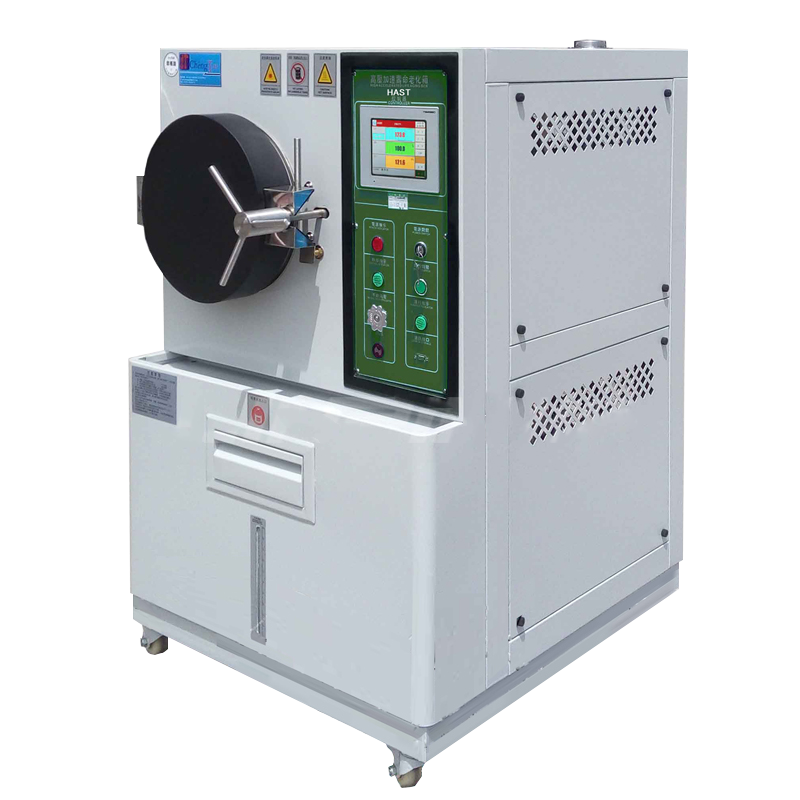
The HAST chamber combines high temperature, high humidity, and accelerated pressure to replicate extreme conditions that products might face over extended periods of use. The goal is to accelerate test outcomes within a short timeframe, using environmental stress to reveal latent defects. This approach not only enhances testing efficiency but also provides valuable data for subsequent product optimization.

Types of Defects Identified
-
Packaging Defects: The packaging of electronic products is crucial for protecting internal circuits. During HAST testing, packaging materials may develop cracks or delamination due to fluctuations in humidity and temperature. If left undetected, such defects could lead to product failure during use.
-
Interface Defects: In electronic devices, the interfaces between different materials significantly impact performance. HAST testing can induce interface corrosion or layer failure, particularly under high humidity and temperature conditions, where the occurrence of such defects increases notably.
-
Electrical Performance Degradation: Under extreme environmental conditions, the electrical performance of devices may deteriorate. HAST testing helps detect early trends in parameters like conductivity and resistance, providing direction for design improvements.
-
Mechanical Damage: Under alternating temperature and humidity conditions, the mechanical properties of materials may also be affected, such as increased brittleness or reduced toughness. HAST testing simulates material behavior in extreme environments, allowing designers to make adjustments during product development.
-
Lifespan Prediction: Data from HAST tests can be used to analyze a product’s expected lifespan under real-world conditions, offering valuable insights for quality control during production. By conducting extensive testing across different products, accumulated data enables companies to make informed market decisions.
The Importance of HAST Testing
In the development and production of modern electronic products, HAST chamber testing allows companies to identify and address design flaws early, reducing risks after market release. Additionally, HAST test results serve as critical evidence for product certification, enhancing customer trust. In an increasingly competitive market, the ability to turn potential defects into manageable risks can help companies capture greater market share.
Real-World Case Study
Numerous success stories demonstrate the economic benefits of using HAST chambers. For instance, a globally renowned semiconductor company conducted multiple rounds of HAST testing before launching a new generation of chips. The tests revealed defects that caused performance failures under high-humidity conditions. The R&D team promptly adjusted key materials, ultimately launching a product capable of stable operation across a wider range of environments, thereby avoiding potential damage to market reputation.
As an efficient and reliable testing tool, the HAST chamber unlocks greater possibilities in product development. By enabling early identification and correction of potential defects, companies can enhance product reliability and competitiveness while achieving sustainable development goals. Moving forward, industries should further explore and leverage HAST testing to seize opportunities and address challenges brought by the ongoing technological revolution.