In modern industrial production, the durability of materials directly affects product quality and service life. Ozone, as a strong oxidizing agent, plays a significant role in the aging process of many materials. Therefore, conducting ozone aging tests is particularly important. This article focuses on the test standards for different materials—including plastics, metals, and coatings—using ozone aging test chambers, aiming to help industry professionals better understand and apply these standards.
1. The Necessity of Ozone Aging Testing
Ozone aging tests are designed to evaluate a material’s resistance to aging in an ozone-rich environment. Ozone can cause plastics to become brittle, metals to corrode, and coatings to peel. These issues not only affect the material’s appearance but may also lead to functional failure. Establishing a scientific and reasonable set of test standards is therefore crucial.
2. Test Standards for Different Materials
Plastics: The aging process of plastic materials in ozone is relatively complex, primarily manifesting as surface cracking and a decline in mechanical properties. According to the international standard ISO 1431, ozone aging tests are typically conducted under specific ozone concentrations, with strict control over temperature and humidity to simulate real-world conditions. After exposure for a specified period, samples are examined for cracks and changes in physical properties.
Metals: The toughness and corrosion resistance of metal materials can also be affected by ozone. The ASTM G155 standard provides guidance for ozone aging tests on metals. Testing must be carried out under specific ozone concentrations and temperature conditions, often involving microscopic observation of surface corrosion. Mechanical performance tests are also required to evaluate the overall changes in material properties under ozone exposure.
Coatings: The ozone resistance of coatings is a key indicator for assessing their long-term performance. According to ISO 4892-2, testing for coating materials relies on specialized equipment to simulate aging. Evaluations of adhesion, color change, and surface defects are conducted to determine the coating’s stability under ozone exposure.
3. How to Choose the Right Ozone Aging Test Chamber
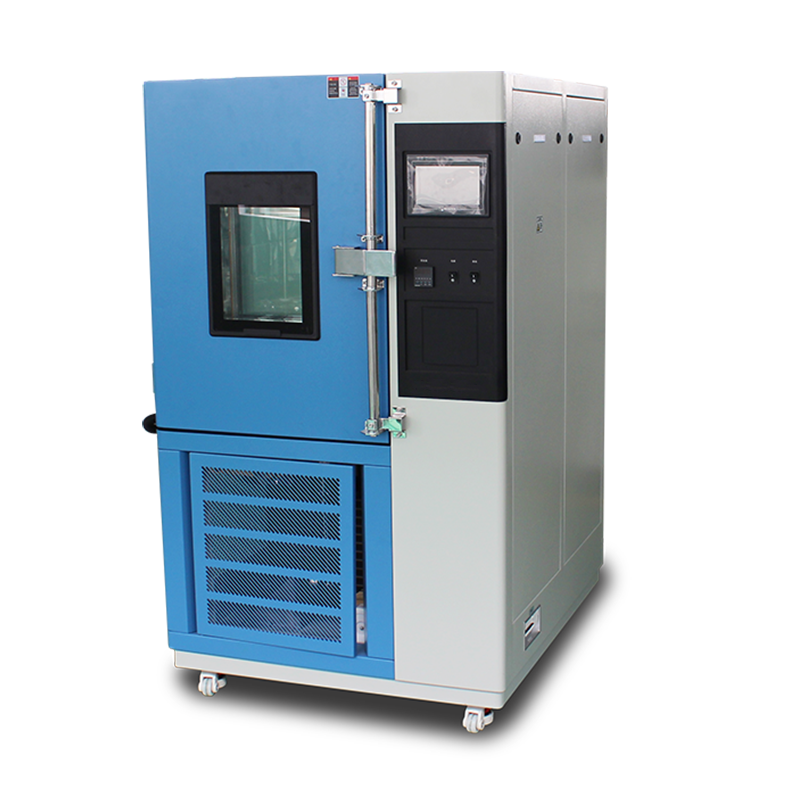
Selecting a suitable ozone aging test chamber is essential for ensuring reliable test results. First, the chamber must provide precise control over ozone concentration and temperature. Second, the equipment should have excellent sealing performance to prevent ozone leakage from affecting the test. Additionally, the chamber should be equipped with multiple monitoring devices to enable real-time data tracking and analysis.
As material science continues to evolve, ozone aging test standards are also being refined. By interpreting the standards for different materials—such as plastics, metals, and coatings—companies can make more scientifically informed material selections and design more competitive products. Only through a deep understanding of aging test standards can the long-term stability and reliability of materials in practical applications be ensured, minimizing economic losses caused by material degradation.
It can be said that through effective testing and strict adherence to standards, industry players can remain unbeatable in future market competition. The combination of regulatory compliance and technological advancement will provide strong support for corporate growth.