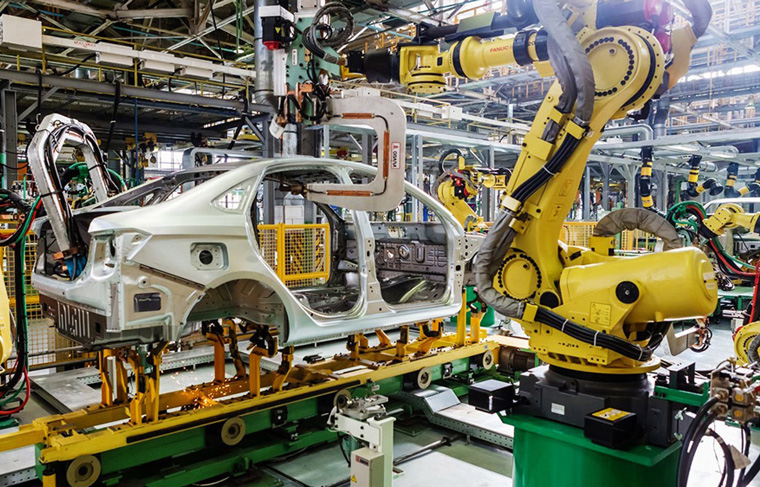
In automotive manufacturing and quality control, the joints of weatherstrip seals between window glass and the body may seem like a minor detail, yet they are critical to a vehicle's sound insulation and waterproof sealing performance. A tiny flaw can allow wind noise and rain to penetrate, leading to issues such as wind noise intrusion and water leaks on rainy days—directly affecting ride comfort and the protection of the vehicle's interior. How can you ensure that every weatherstrip and every joint is flawless? The rain test chamber serves as an indispensable "quality gatekeeper."
I. Confronting the Core Issue: Weatherstrip Joints Are the Weakest Link in the Sealing System
Window weatherstrips are not formed as a single piece. Their joint sections (typically located at the A-pillar, B-pillar, or top corners) are created through cutting, splicing, or hot-melt welding. If there are issues such as loose bonding, inconsistent material properties, insufficient adhesive strength, or dimensional mismatch at these joints, they become entry points for water and noise. Visual inspection or simple manual checks alone cannot reliably detect potential sealing defects. Therefore, rigorous, scientific testing methods are essential.
II. Rain Test Chambers: Simulating Extreme Weather to Reproduce Real-World Challenges
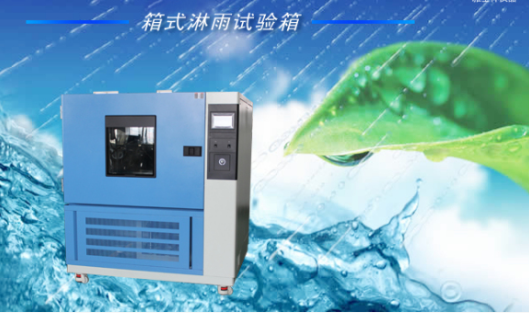
Rain test chambers are precision instruments designed specifically to evaluate the sealing performance of product enclosures. In testing window weatherstrip joints, they simulate extreme rain conditions far exceeding natural rainfall intensity through precisely controlled spray systems—including water spray at various angles and high-pressure water jet impact.
-
Comprehensive spray testing: Nozzles inside the chamber are strategically arranged to ensure that every surface, corner, and critical weatherstrip joint area of the window is covered by a high-intensity, uniform water curtain—with no testing blind spots.
-
Adjustable pressure and flow rate: Water pressure and volume can be flexibly adjusted according to test standards or real-world driving conditions (such as wind-driven rain impact at highway speeds) to evaluate the durability of weatherstrip joints under different stress levels.
-
Continuous and cyclic testing: Prolonged or repeated cycling rain tests verify the long-term stability of weatherstrip joints under sustained rain exposure, assessing their fatigue resistance and aging performance.
III. Precisely Identifying Problems to Drive Process Improvement
Rigorous testing in a rain test chamber clearly and objectively exposes sealing problems in weatherstrip joints:
-
Precise leak localization: Once a leak occurs, technicians can immediately pinpoint the exact joint location, eliminating blind troubleshooting and greatly improving detection efficiency and accuracy.
-
Evaluating sealing materials and processes: Test results directly reflect the elasticity and durability of weatherstrip materials as well as the quality of splicing/welding processes. Whether the rubber compound formula needs optimization, installation pressure is insufficient, or joint treatment processes require improvement—clear directions for improvement are provided.
-
Validating design effectiveness: Reliable validation data is provided for new vehicle model window sealing system designs, ensuring sealing reliability from the design stage onward.
IV. The Ultimate Value: Enhancing Overall Vehicle Quality and Safeguarding User Experience
Rigorous rain testing of window weatherstrip joints ultimately serves to enhance overall vehicle quality:
-
Improved sound insulation: Eliminating wind noise and road noise caused by joint gaps creates a quieter, more comfortable cabin environment, enhancing the vehicle's premium feel.
-
Guaranteed waterproof sealing: Effectively preventing rainwater from seeping into door interior panels, electrical wiring, or the vehicle cabin protects onboard equipment, avoids moisture-induced mold and corrosion, and extends vehicle service life.
-
Enhanced brand reputation: Rigorous quality control processes and meticulous attention to detail are powerful evidence of a manufacturer's commitment to quality, earning long-term consumer trust.
On the road to excellence in the automotive industry, rigorous inspection of window weatherstrip joints using rain test chambers is the foundational guarantee for achieving superior sound insulation and drip-proof sealing. It is not only a scalpel for identifying problems but also a catalyst for driving continuous process optimization. Choosing to value and apply such precision testing methods means choosing higher standards for product quality and a deeper commitment to user experience.