As technology continues to advance, the performance and long-term durability of materials have become increasingly critical across industries. Among the various testing methods available, the ozone aging test chamber has emerged as an essential tool, providing a reliable experimental foundation for studying material degradation over time.
1. How Ozone Affects Material Aging
Ozone (O₃) is a powerful oxidizing agent that can significantly accelerate the degradation of materials, particularly polymers. In real-world applications, materials are frequently exposed to ozone and other oxidizing gases, which can lead to diminished performance—manifesting as embrittlement, cracking, or changes in other physical properties. By conducting ozone aging tests, researchers can simulate the conditions materials are likely to encounter over extended service lives, enabling more accurate assessments of their long-term stability and reliability.
2. How Ozone Aging Test Chambers Work
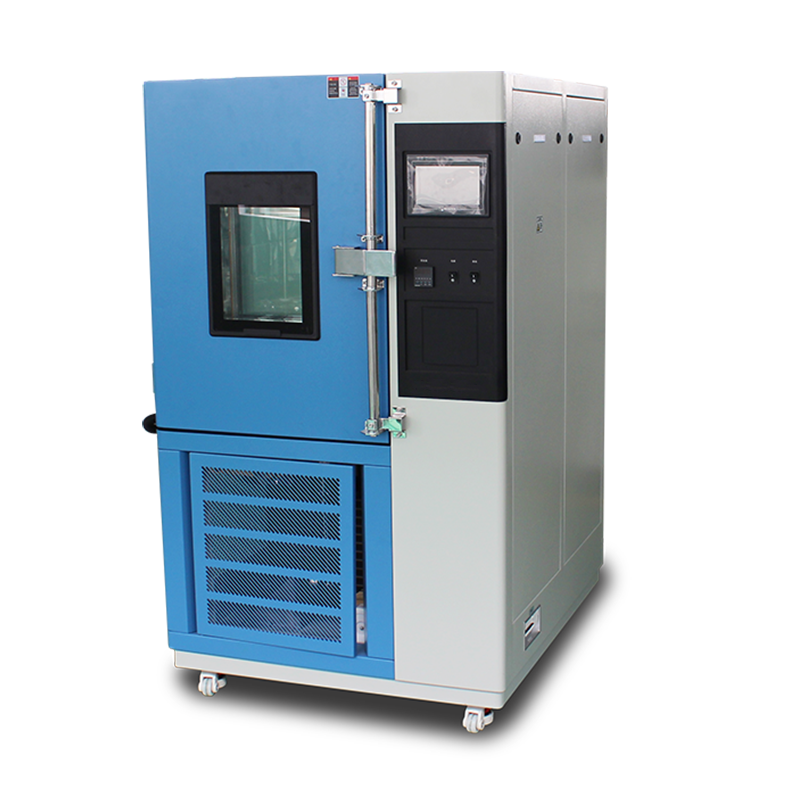
Ozone aging test chambers generate and maintain controlled concentrations of ozone gas within a sealed test environment. Temperature, humidity, and ozone levels can be precisely regulated, ensuring stable and repeatable experimental conditions. This high level of environmental control enhances the reliability of test results, offering robust scientific data to support material selection, formulation adjustments, and quality improvement efforts.
3. Broad Application Across Industries
Ozone aging test chambers are widely used in a diverse range of sectors, including automotive manufacturing, aerospace, electronics, and building materials. In each of these fields, rigorous evaluation of weatherability and ozone resistance is essential. By identifying potential degradation issues early in the development cycle, manufacturers can optimize product designs, enhance durability, and strengthen their competitive position in the market.
4. Supporting Research and Industrial Innovation
In academic and industrial research settings, ozone aging test chambers serve as powerful instruments for advancing materials science. They allow researchers to gain deeper insights into the underlying mechanisms of material aging, facilitating the development of more durable and resilient materials. At the same time, empirical data from these tests enables companies to modify and innovate material formulations, laying a solid groundwork for the creation of next-generation products.
Conclusion
Ozone aging test chambers are indispensable in the study of material aging. By providing a scientifically rigorous means of performance evaluation, they not only offer practical guidance for manufacturing and quality control but also drive progress in materials research. As industries continue to pursue greater durability and sustainability, the importance of ozone aging test chambers is set to grow, playing an increasingly vital role in supporting innovation and long-term resilience across multiple sectors.