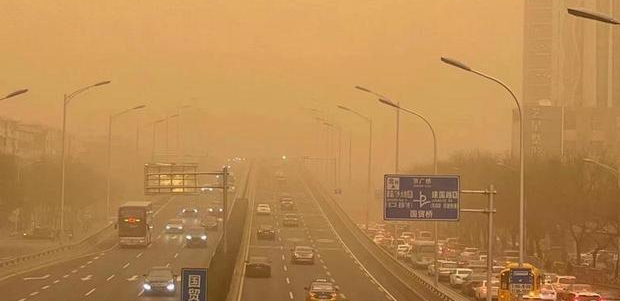
In the field of product quality verification, sand and dust testing serves as a critical procedure for verifying the sealing performance and reliability of outdoor equipment, automotive components, aerospace parts, electronic components and other products. The ultimate value of sand and dust testing is largely embodied in a comprehensive, professional and authoritative test report. Acting as a performance certificate proving a product has passed rigorous environmental endurance tests, this report also functions as core evidence for enterprises to demonstrate superior product quality and robust R&D capabilities to clients, business partners and certification authorities.
What core elements should a credible sand and dust test report contain to fully reflect product performance and R&D competence?
1. Report Identification & Test Reference Criteria
Basic Report Information
Unique report serial number, exclusive identification code, issue date, as well as the name and qualification statement of the testing laboratory performing the test. These details guarantee full traceability and official validity of the report.
Test Objectives & Applicable Standards
Specify national standards (e.g., GB/T 4208-2017 Degrees of protection provided by enclosures (IP Code)), industry standards (e.g., ISO 20653), or customized corporate standards adopted for the test. This section validates the standardization and scientific basis of the test procedure.
2. Test Specimens & Test Parameter Settings
Specimen Information
Full details including specimen name, model, serial number, quantity, and operational status (e.g., powered on during testing). Accurate specimen information lays the foundation for report authenticity.
Test Equipment Details
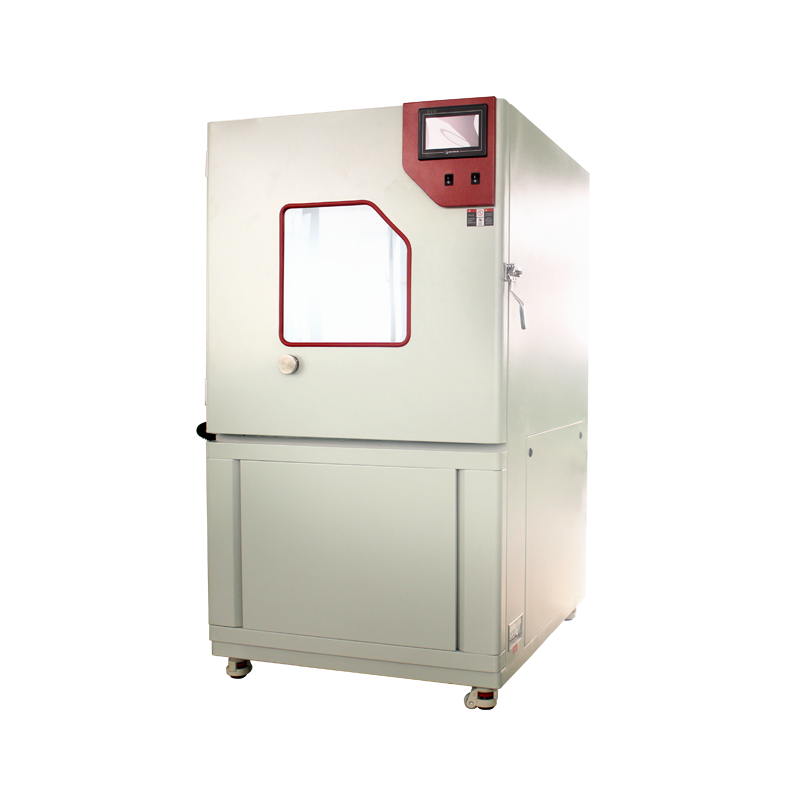
State the model, specifications and calibration status of the sand and dust test chamber used. High-performance, high-precision test equipment underpins reliable test data.
Critical Environmental Test Parameters
List all key test parameters explicitly:
- Dust medium: Type of test dust deployed (silicate cement powder, talcum powder, standard test dust, etc.) and its particle size distribution
- Dust concentration: Dust mass concentration inside the test chamber (in grams per cubic meter)
- Air flow velocity: Wind speed configured to simulate natural sandstorm environments
- Ambient temperature & relative humidity: Controlled thermal and humidity conditions within the chamber
- Test duration: Exposure time allocated for each test phase
These parameters directly reflect the severity of the test and authenticity of the simulated service environment.
3. Test Procedures & Test Result Documentation
Brief Test Process Overview
Summarize pre-test preparation, specimen mounting setup, parameter execution, intermediate inspection intervals and post-test recovery steps.
Core Test Results (Core Section of the Report)
All observations shall be recorded objectively and precisely:
- Sealing performance assessment: Record whether dust ingress occurs inside the specimen after testing, along with the volume and location of accumulated dust, supported by clear photographic evidence where applicable
- Functional performance inspection: Document whether all core functions operate normally during and after testing (buttons, display screens, communication modules, mechanical actuation systems, etc.). Any performance degradation or functional failure shall be fully documented
- Visual surface inspection: Record abrasion, coating damage, corrosion or other surface defects caused by sand and dust impact on the enclosure
Definitive Test Verdict
Draw an unambiguous conclusion based on collected test data, for example:
- "The specimen meets all standard requirements for IP5X dust protection testing conducted in accordance with Standard XX"
- "The specimen fails to meet the requirements of Grade XX testing, with the primary non-conformity identified as..."