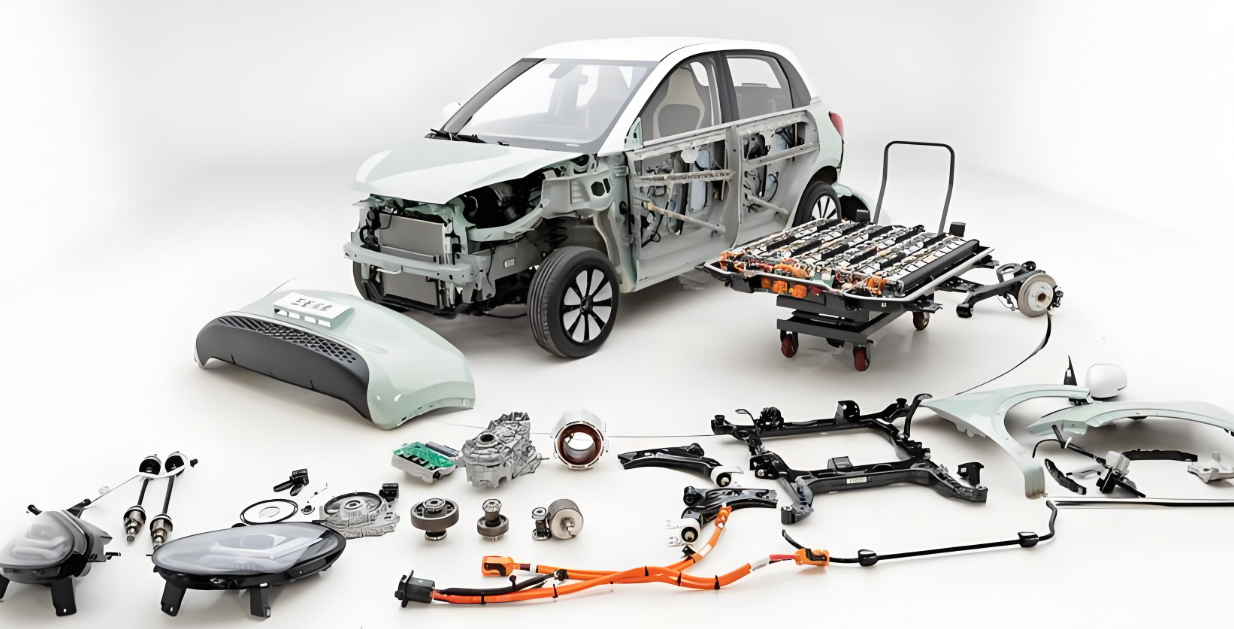
In the fields of material research, development, and quality control, silicone and rubber products are widely used in automotive components, wire and cable insulation, sealing strips, medical devices, and consumer goods due to their excellent elasticity, sealing properties, and cushioning performance. However, when these polymer materials are exposed to ozone-containing environments over long periods, they are prone to surface cracking, hardening, and degradation of mechanical properties—directly affecting product service life and safety. How to scientifically predict a material’s resistance to ozone aging has become a critical challenge for manufacturers. The ozone aging test chamber is a specialized piece of testing equipment designed to address this issue, providing a reliable basis for evaluating material durability.
I. Core Value of the Equipment: Simulating Harsh Environments to Predict Material Lifespan
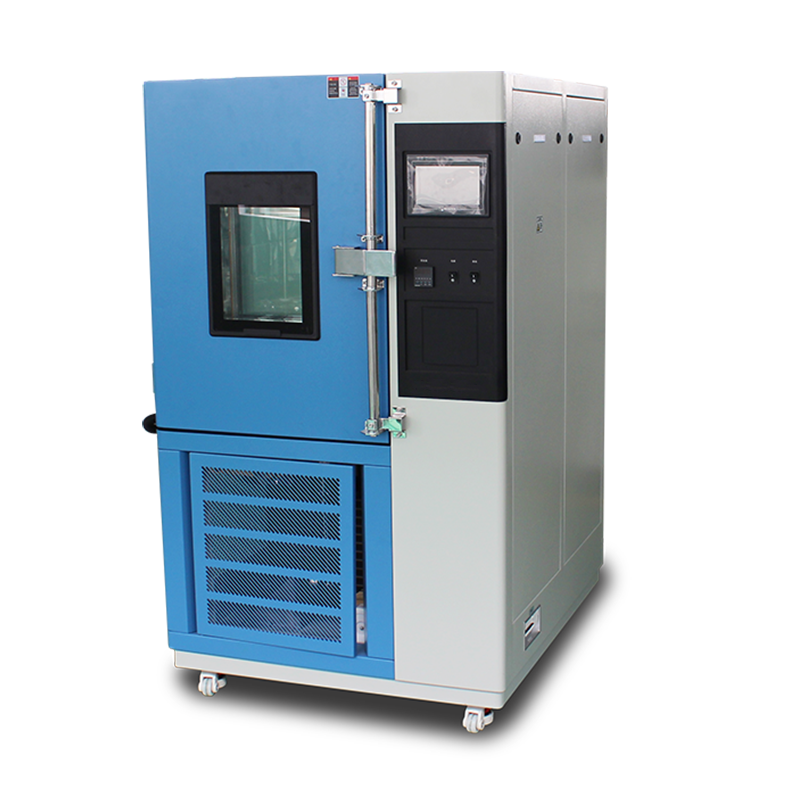
The ozone aging test chamber precisely controls key parameters such as ozone concentration, temperature, and humidity to simulate atmospheric ozone conditions or more severe industrial environments, thereby accelerating the material aging process. In a controlled lab setting, it enables rapid assessment of potential performance changes in silicone, rubber, and other polymer materials after long-term use, including:
-
Initiation and propagation of surface cracks
-
Degradation of tensile strength, elongation, and other mechanical properties
-
Changes in color, appearance, and molecular structure stability
This accelerated aging test not only significantly shortens the R&D cycle but also helps manufacturers identify potential defects before products reach the market, providing data-driven support for formula optimization and process improvements.
II. Technical Capabilities: Precision Control and Compliant Design
The ozone aging test chamber relies on several key technologies to ensure test accuracy and repeatability:
-
Precise Ozone Concentration Control: Using ultraviolet lamps or silent discharge ozone generators combined with high-precision sensors, the chamber ensures uniform ozone distribution and stable, adjustable concentrations, complying with international standards such as ASTM D1149 and ISO 1431.
-
Integrated Temperature and Humidity Control: Built-in advanced temperature and humidity systems allow precise setting of test conditions within a defined range, minimizing measurement errors caused by environmental fluctuations.
-
Corrosion-Resistant Structure and Safety Features: The inner chamber is typically made of ozone-resistant materials such as stainless steel, and equipped with an ozone decomposition device to ensure safe exhaust emissions, protecting operators and the environment.
III. Applications and User Benefits
For manufacturers of rubber seals, automotive hoses, insulating materials, and similar products, using an ozone aging test chamber enables:
-
Quality Control: Batch sampling and testing of raw materials and finished products to ensure compliance with industry standards or specific customer requirements.
-
R&D Support: Comparing the ozone resistance of different formulations and processes to guide new product development.
-
Cost Savings: Early identification of potential failures reduces after-sales risks and recall costs.
The ozone aging test chamber is an indispensable tool for evaluating the aging resistance of silicone and rubber products. Its scientific design and stable performance provide a solid foundation for material durability assessment. Choosing a technically mature, standards-compliant chamber not only enhances a company’s quality control capabilities but also strengthens product competitiveness in the market, laying the groundwork for long-term success.