In the healthcare sector, every seemingly ordinary syringe, pair of medical gloves, or package of surgical sutures carries the weight of patient well-being and medical responsibility. Ensuring these medical consumables perform reliably and safely under any environmental condition is a fundamental baseline for quality control. The constant temperature and humidity chamber serves as an indispensable guardian of quality in meeting this stringent demand, providing scientific and authoritative environmental simulation validation for the R&D and quality control of medical consumables.
1. Simulating Real-World Conditions to Predict Product Performance
Medical consumables encounter vastly different temperature and humidity environments from the point of manufacturing and warehouse storage, through logistics, to final use in healthcare facilities across different regions and seasons. Extreme cold can cause plastic devices to become brittle and crack, while excessive humidity may lead to microbial growth within sterile packaging or degradation of material properties.
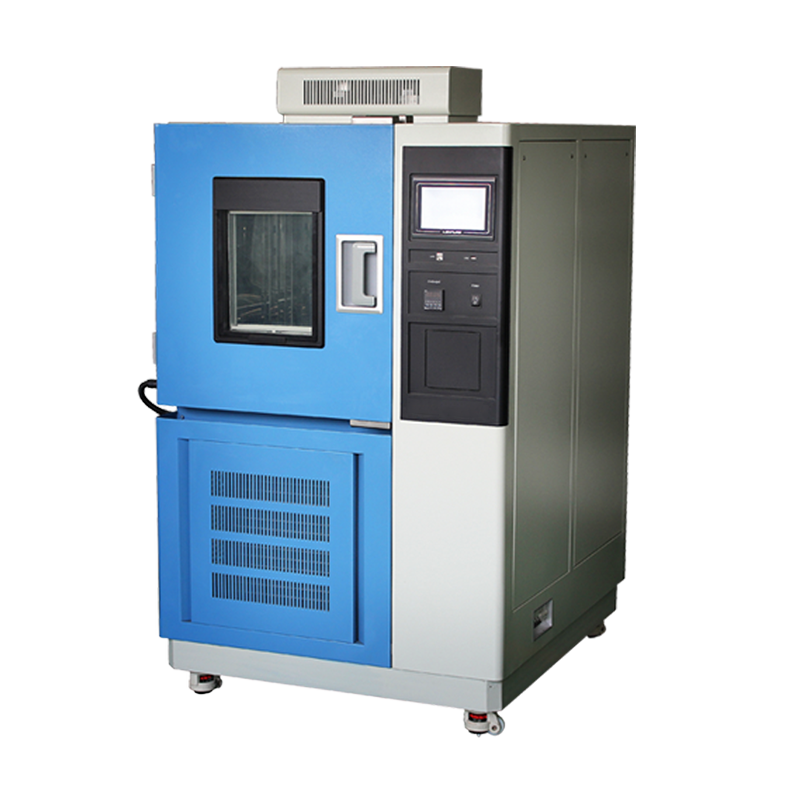
The core value of a constant temperature and humidity chamber lies in its ability to accurately and stably replicate various global climate conditions within a laboratory setting. By setting specific temperature (e.g., -40°C to 150°C) and humidity (e.g., 20% to 98% RH) parameters, these chambers conduct long-term accelerated aging tests on consumables. This allows R&D and quality control personnel to clearly predict, long before market release, whether the product will meet standards for material compatibility, physical stability, and packaging integrity over several years or even longer. This "time telescope" capability identifies and mitigates potential risks upfront, safeguarding clinical use from the source.
2. Ensuring Strict Regulatory Compliance
Major global medical device regulatory frameworks, such as China's National Medical Products Administration (NMPA), the US Food and Drug Administration (FDA), and ISO international standards (e.g., ISO 11607 for packaging of terminally sterilized medical devices), mandate clear and strict testing requirements for the environmental adaptability of medical consumables.
The test environments provided by constant temperature and humidity chambers are foundational for completing these compulsory validation projects. The accuracy, reliability, and repeatability of the test data generated are the most compelling evidence for manufacturers to demonstrate compliance to regulatory bodies. A high-performance chamber ensures that every data set withstands rigorous scrutiny, serving as a reliable partner for companies seeking successful product registration and market approval.
3. Enabling Innovation and Quality Enhancement through Precise Control
Beyond basic compliance testing, constant temperature and humidity chambers are vital tools for technological innovation in the medical consumables industry. Examples include:
- R&D of New Bio-degradable Materials: Evaluating the degradation rate and changes in mechanical properties of new materials under different temperature and humidity conditions provides critical data for product lifecycle design.
- Validation of Advanced Interventional Devices: For products like cardiovascular stents and precision catheters, verifying the long-term stability of the bond between metal components and polymer coatings under thermal and humidity cycling.
- Packaging System Optimization: Testing the barrier properties of different packaging materials and sealing processes ensures the sterility barrier remains intact even in extreme climates.
Through refined testing protocols, companies can not only identify issues but also gain deeper insights into product characteristics, enabling continuous design improvements and quality enhancements to develop more competitive products.
Therefore, selecting a technologically mature, precisely controlled, and reliably operating constant temperature and humidity chamber is far more than a simple equipment purchase for a medical consumables manufacturer. It represents a strategic investment crucial to product fate and corporate reputation. It signifies a company's commitment to quality, its sense of responsibility, and serves as a concrete reflection of its technical capabilities and management standards.