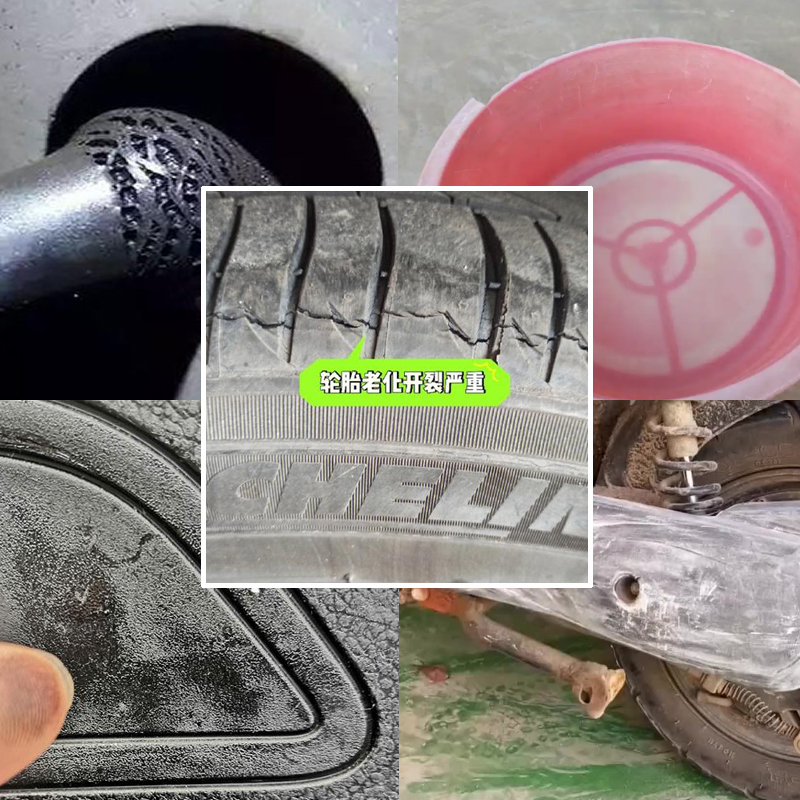
Among the various testing methods available, the ozone aging test chamber has emerged as an essential tool, providing a reliable experimental foundation for studying material degradation over time.
UV aging test chambers occupy a uniquely critical role—they replicate one of nature's most aggressive degrading forces: sustained, high-intensity solar ultraviolet radiation.
Salt spray testing accelerates material aging by simulating corrosive conditions found in marine or industrial environments. Spray particle size directly determines the deposition behavior of salt fog on specimen surfaces and the resulting corrosion mechanisms
The global demand for constant temperature and humidity test chambers continues to grow, driven by advancements in electronics, automotive, aerospace, and material sciences.
High-low temperature test chambers (also known as environmental test chambers or thermal cycling chambers) are essential tools in industries such as aerospace, automotive, electronics, pharmaceuticals, and materials science.
A HAST chamber is far from a simple "time machine." Its core functionality is rooted in rigorous physico-chemical models (such as the Arrhenius equation, Peck's model, etc.).
This article focuses on the test standards for different materials—including plastics, metals, and coatings—using ozone aging test chambers, aiming to help industry professionals better understand and apply these standards.
Salt spray test chambers are essential equipment for evaluating the corrosion resistance of materials and are widely used in quality testing for metals, coatings, electronic components, and more.
We value your privacy We use cookies to enhance your browsing experience, serve personalized ads or content, and analyze our traffic. By clicking "Accept Essential Cookies", you consent to our use of cookies.

 High And Low Temperature Test Chamber Salt Spray Test Chamber Aging Test Series Walk In Testchamber Temperature Test Chamber Thermal Shock Test Chambers Programmable Temperature Humidity Test Chamber High and Low Temperature Low Pressure Test Chamber Salt Spray Corrosion Test Chamber Thermal Cycling Chamber Temperature Humidity Test Chamber High and Low Temperature Humidity Test Chamber Low Temperature Test Chamber High Temperature Test Chamber Thermal Cycling Chamber Rustproof Grease Humidity Test Chamber UV Aging Test Chamber Ozone Aging Test chamber Ventilation Aging Test Chamber Rain Test Chamber Sand and Dust Test Chamber Sulfur Dioxide Test Chamber Mold Test Chamber Ultra-Low Temperature Test Chamber Salt Spray Test Machine Condensation Test Chamber HAST Test Chamber Thermal Vacuum Test Chamber Battery Explosion-proof Test Chamber High and Low Temperature Battery Test Chamber PV Module UV Test Chamber Sunlight Simulation Test Chamber Photovoltaic Wet Freezing Test Chamber Photovoltaic Dustproof Test Chamber