Among the various testing methods available, the ozone aging test chamber has emerged as an essential tool, providing a reliable experimental foundation for studying material degradation over time.
UV aging test chambers occupy a uniquely critical role—they replicate one of nature's most aggressive degrading forces: sustained, high-intensity solar ultraviolet radiation.
Salt spray testing accelerates material aging by simulating corrosive conditions found in marine or industrial environments. Spray particle size directly determines the deposition behavior of salt fog on specimen surfaces and the resulting corrosion mechanisms
With the continuous advancement of technology, ultra-low temperature testing has become an indispensable part of many industries. In this regard, ultra-low temperature test chambersat -196°C demonstrate unique value and broad application prospects.
The UV aging test chamber primarily serves to simulate ultraviolet (UV) radiation conditions found in natural environments, accelerating the weathering resistance testing of materials to evaluate their performance changes under prolonged UV exposure.
low-pressure test chambers (also known as high-low temperature and low-pressure test chambers) have become essential tools for many enterprises and R&D institutions
A thermal shock test chamber is a device used to simulate extreme temperature environments, rapidly switching between high and low temperatures to conduct thermal shock testing on products.
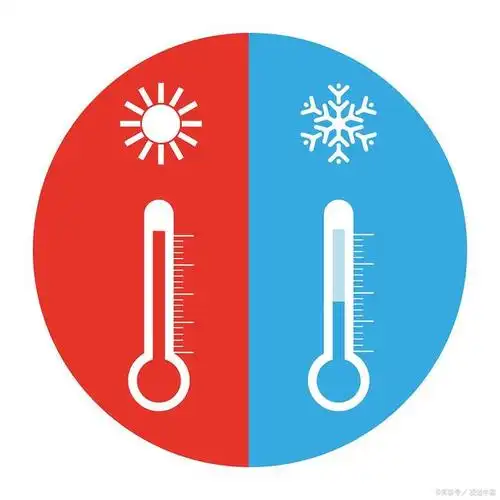
High and low temperature test chambers are widely used across various industries. They are primarily employed to simulate and test the performance and reliability of products under different temperature conditions, evaluating their quality, durability, and adaptability.
A forced air drying oven is a commonly used drying equipment, typically employed in industrial production and laboratory research. It utilizes a forced air method, circulating air through an internal fan to accelerate the drying process of objects.
The salt spray test chamber primarily compresses a corrosive solution into a gas spray, which is then applied to test samples. The working principle is relatively straightforward.
The main function of a constant temperature and humidity test chamber is to artificially simulate natural environments to evaluate products, allowing for the rapid assessment of whether their performance meets standard requirements and whether they qualify for market release.
We value your privacy We use cookies to enhance your browsing experience, serve personalized ads or content, and analyze our traffic. By clicking "Accept Essential Cookies", you consent to our use of cookies.

 High And Low Temperature Test Chamber Salt Spray Test Chamber Aging Test Series Walk In Testchamber Temperature Test Chamber Thermal Shock Test Chambers Programmable Temperature Humidity Test Chamber High and Low Temperature Low Pressure Test Chamber Salt Spray Corrosion Test Chamber Thermal Cycling Chamber Temperature Humidity Test Chamber High and Low Temperature Humidity Test Chamber Low Temperature Test Chamber High Temperature Test Chamber Thermal Cycling Chamber Rustproof Grease Humidity Test Chamber UV Aging Test Chamber Ozone Aging Test chamber Ventilation Aging Test Chamber Rain Test Chamber Sand and Dust Test Chamber Sulfur Dioxide Test Chamber Mold Test Chamber Ultra-Low Temperature Test Chamber Salt Spray Test Machine Condensation Test Chamber HAST Test Chamber Thermal Vacuum Test Chamber Battery Explosion-proof Test Chamber High and Low Temperature Battery Test Chamber PV Module UV Test Chamber Sunlight Simulation Test Chamber Photovoltaic Wet Freezing Test Chamber Photovoltaic Dustproof Test Chamber