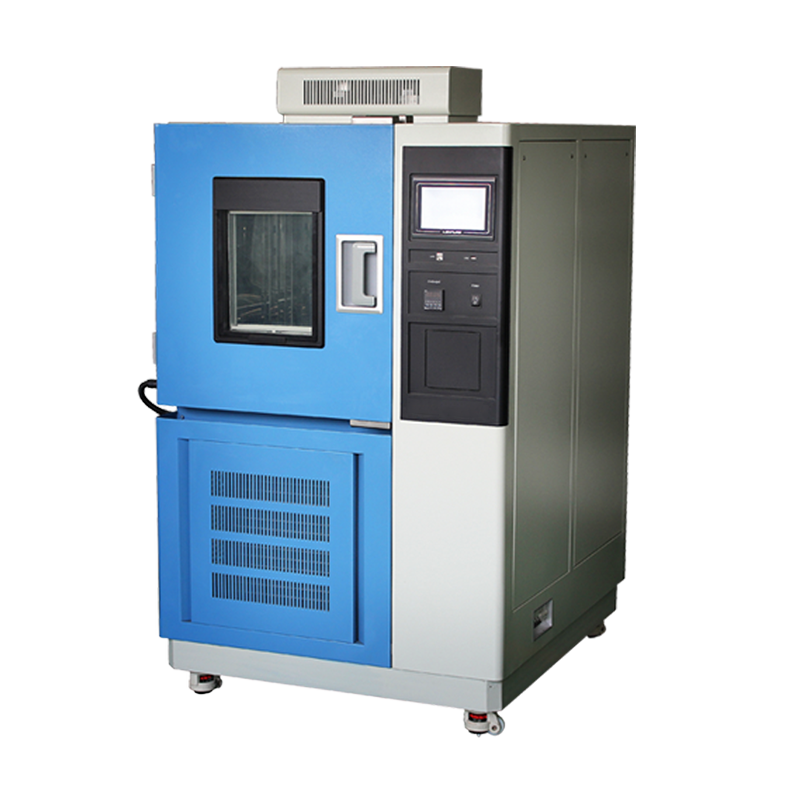
Wind power equipment, a critical component of clean energy infrastructure, is permanently installed in extreme natural environments like mountains, deserts, and coastal areas. It must withstand severe challenges including intense cold, extreme heat, and rapid temperature fluctuations. Its reliability directly impacts power generation efficiency, operational safety, and service life. In this context, thermal chambers (high-low temperature test chambers) have become indispensable core testing equipment in the R&D, production, and quality control processes for wind power equipment, serving as a rigorous "examiner."
1. Simulating Extreme Environments to Uncover Potential Defects Early
Key components within wind turbines—such as the main control system, pitch system, gearbox, generator, composite materials for blades, and various electronic components—have material properties, mechanical characteristics, electrical insulation performance, and sealing capabilities that are highly sensitive to temperature. Testing solely under standard conditions cannot accurately assess their performance in real-world harsh climates.
Thermal chambers precisely control the internal temperature, simulating environments ranging from extreme cold as low as -70°C (or lower) to high temperatures of +150°C or more. They can also achieve rapid temperature cycling. This controlled, accelerated simulation of extreme conditions effectively:
- Uncovers Latent Failures: Identifies issues like deformation, cracking, or premature aging of materials caused by thermal expansion and contraction.
- Tests Performance Limits: Verifies the stability and accuracy of electrical components during low-temperature startup and high-temperature operation at full load.
- Evaluates Sealing Integrity: Tests whether seals for nacelles, control cabinets, etc., maintain effective dust and water protection despite temperature variations.
2. Enhancing Product Quality and Ensuring Lifelong Reliability
By conducting thorough reliability verification and failure analysis using thermal chambers during the R&D phase, manufacturers can:
- Optimize Designs: Use test data to refine product designs, selecting more weather-resistant materials and processes, thereby enhancing environmental adaptability from the outset.
- Shorten Development Cycles: Accelerate the aging process, completing durability assessments in the lab equivalent to years of field exposure, speeding up time-to-market.
- Ensure Batch Quality: Perform sampling or full inspections on incoming components and finished turbines before shipment, ensuring every unit meets design standards and reducing field failure rates.
3. Reducing Operational Costs and Boosting Market Competitiveness
Operating and maintenance costs for wind farms, especially in remote locations, are high. A single failure can lead to significant power generation losses and expensive repairs. The stringent screening provided by thermal chambers, which weeds out products with poor environmental resilience, helps to:
- Minimize Field Failures: Prevent unplanned downtime caused by environmental factors, safeguarding wind farm revenue.
- Extend Equipment Lifespan: Reliable equipment translates to longer periods of fault-free operation and reduced maintenance needs.
- Build Brand Reputation: Supplying products rigorously tested against environmental extremes serves as strong proof of a company's technical prowess and commitment to quality, enhancing market trust.
In today's wind industry, which prioritizes higher reliability and lower levelized cost of energy, thermal chambers are no longer just auxiliary tools but strategic assets supporting technological innovation and quality improvement. They act as tireless examiners, subjecting equipment to the harshest "tests" before it faces the elements, ensuring each turbine can reliably and efficiently deliver green power, undaunted by scorching heat or freezing cold. Choosing products backed by comprehensive thermal testing means choosing a solid guarantee for the long-term, safe, and stable operation of wind power projects.