In modern materials science and industrial applications, the aging resistance of polymer materials, rubber, elastomers and other substances is critically important, especially for products exposed to outdoor conditions, dynamic loads and ozone-containing environments. As a strong oxidizing agent, ozone easily causes surface cracking and performance degradation of materials, directly shortening the service life and compromising the safety of end products. To accurately evaluate the ozone aging resistance of materials, ozone aging test chambers have become indispensable testing equipment. Combined with dynamic and static tensile testing, they can fully and authentically reflect the durability of materials under actual working conditions.
Static Tensile Testing: Simulating Aging Behavior under Constant Stress
Static tensile testing is widely adopted in ozone aging tests to evaluate the tolerance of materials exposed to ozone environments for a long time under fixed tensile stress. During testing, specimens are fixed at a specified elongation rate (such as 20% or 50%) and placed in a test chamber with controllable ozone concentration, temperature and humidity. After a set test cycle, technicians observe the initiation time of surface cracks, the degree of crack propagation and changes in physical properties.
This testing method is suitable for evaluating materials such as seals and shock-absorbing pads that operate under long-term static load. It helps enterprises screen material formulas and optimize production processes, ensuring structural integrity and functional stability of products in ozone-rich environments.
Dynamic Tensile Testing: Restoring Fatigue Aging under Cyclic Stress
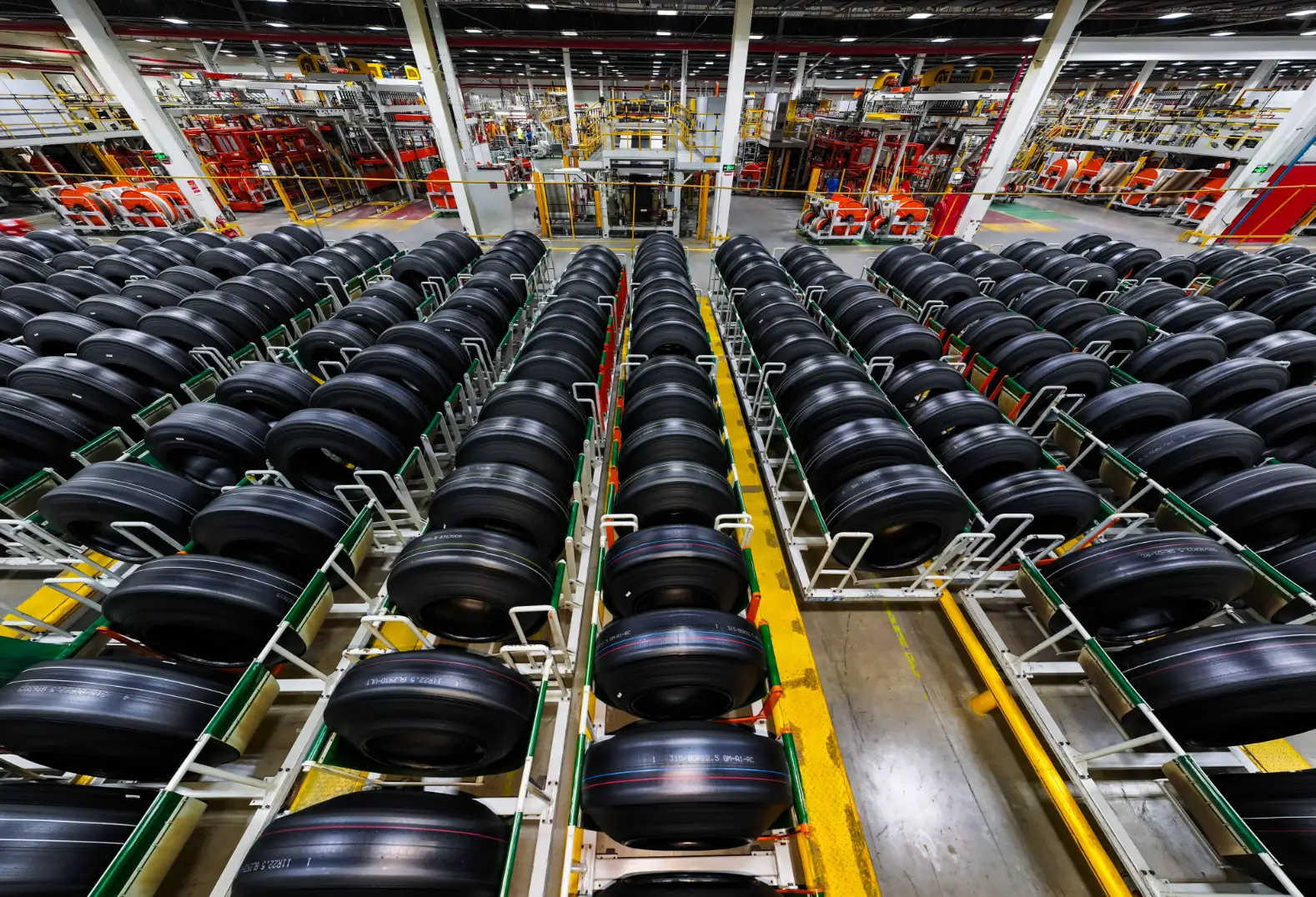
Compared with static testing, dynamic tensile testing better simulates the cyclic stress borne by materials in actual service. Driven by the built-in mechanical device of the ozone aging chamber, specimens perform continuous reciprocating stretching and relaxation movements in an ozone environment, replicating the working conditions of dynamic components such as tires, conveyor belts and shock absorbers.
Dynamic testing accelerates the fatigue aging process of materials, accurately capturing the crack initiation rate, attenuation of elastic modulus and changes in elongation at break. It provides rigorous and realistic life prediction data for products with high-frequency service requirements, and is particularly applicable to automotive, aerospace and other industries that demand high dynamic durability of materials.
Collaborative Application: Enhancing the Comprehensiveness and Credibility of Testing
The combined application of dynamic and static tensile testing in ozone aging evaluation covers the full-scenario aging assessment of materials, from static storage to dynamic operation. For instance, static testing can determine the critical ozone concentration tolerance threshold of materials, while dynamic testing verifies their failure modes under actual operating motion. The complementary combination of the two methods fully reveals the anti-aging mechanism of materials.
In addition, the test data can be used to establish aging prediction models, guide the direction of material modification, and improve the market competitiveness of products.
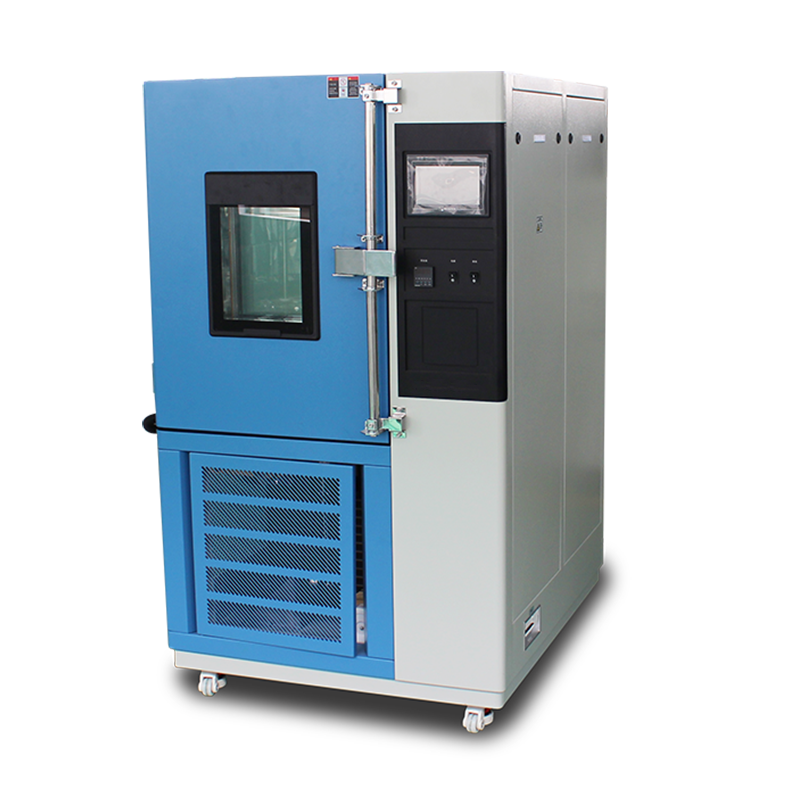
Technical Support: Precisely Controlled Test Environment
Reliable test results rely on high-precision ozone aging test chambers. Premium equipment is equipped with automatic ozone concentration regulation, constant temperature and humidity control, and adjustable tensile frequency functions, ensuring test conditions comply with international and national standards including ISO, ASTM and GB/T. Combined with professional tensile fixtures and data acquisition systems, enterprises can obtain highly repeatable and comparable experimental data, providing solid support for product research and development as well as quality control.
The collaborative application of dynamic and static tensile testing in ozone aging test chambers serves as the core technology for evaluating the ozone resistance of materials, and is also a key link to improve product reliability and extend service life. By scientifically simulating real environmental stress, enterprises can predict material failure risks in advance and optimize product design, ultimately gaining market recognition and trust. Adopting professional testing solutions and equipment will drive sustained progress in material innovation and quality upgrading.