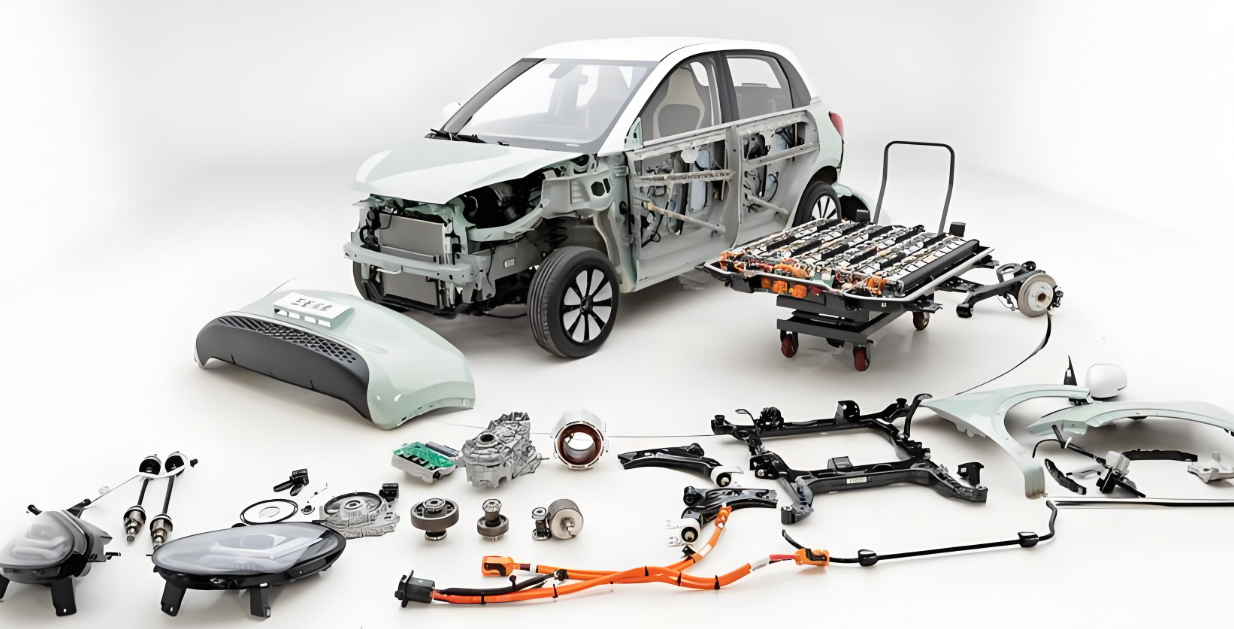
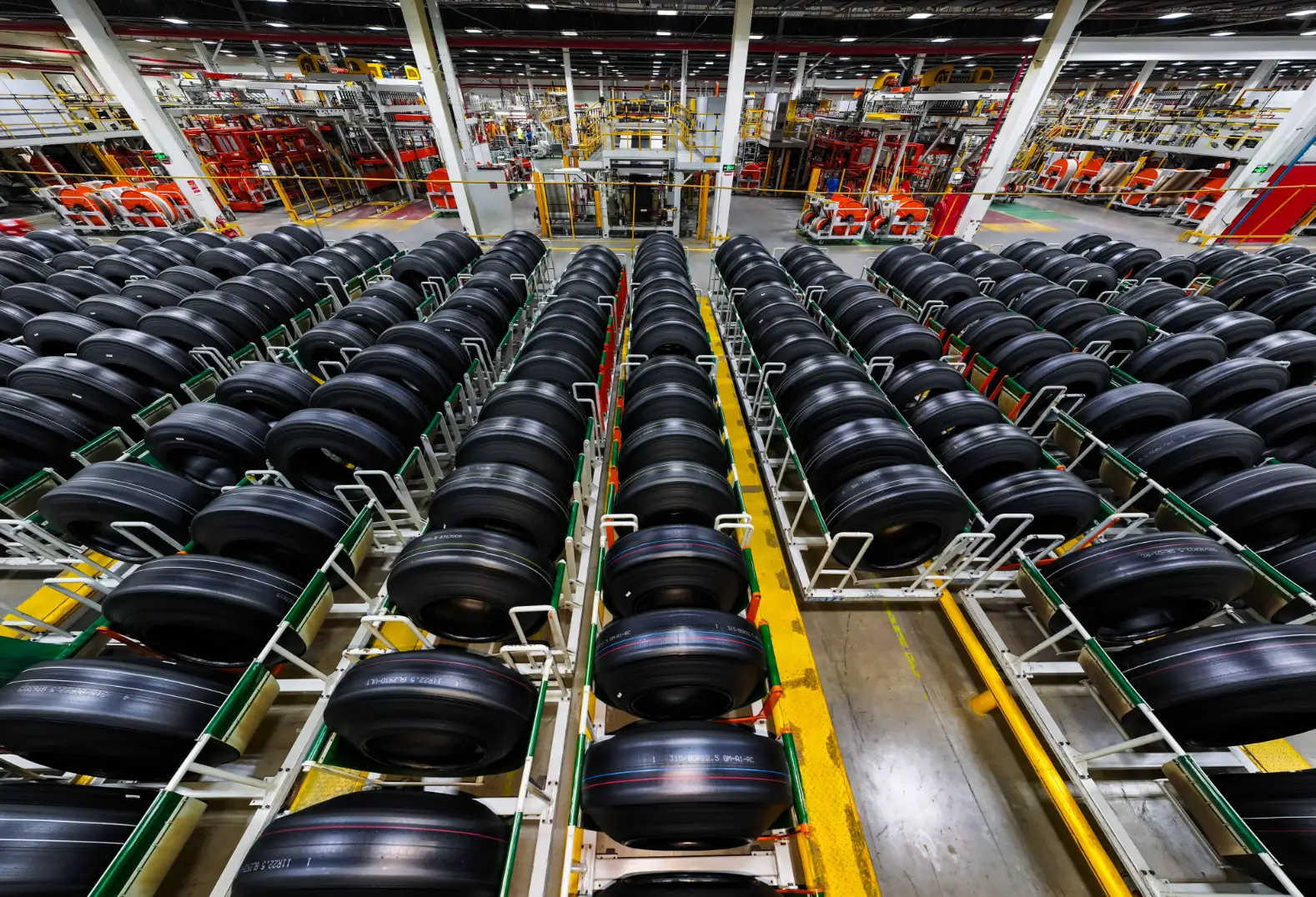
In the research and production of lithium batteries, the stability of environmental conditions directly impacts battery performance, lifespan, and safety. As a professional environmental simulation device, the walk-in constant temperature and humidity chamber provides highly reliable experimental conditions for lithium battery testing by precisely controlling key parameters such as temperature and humidity, making it an indispensable tool in the industry.
-
Accurately Simulating Extreme Environments to Ensure Battery Reliability
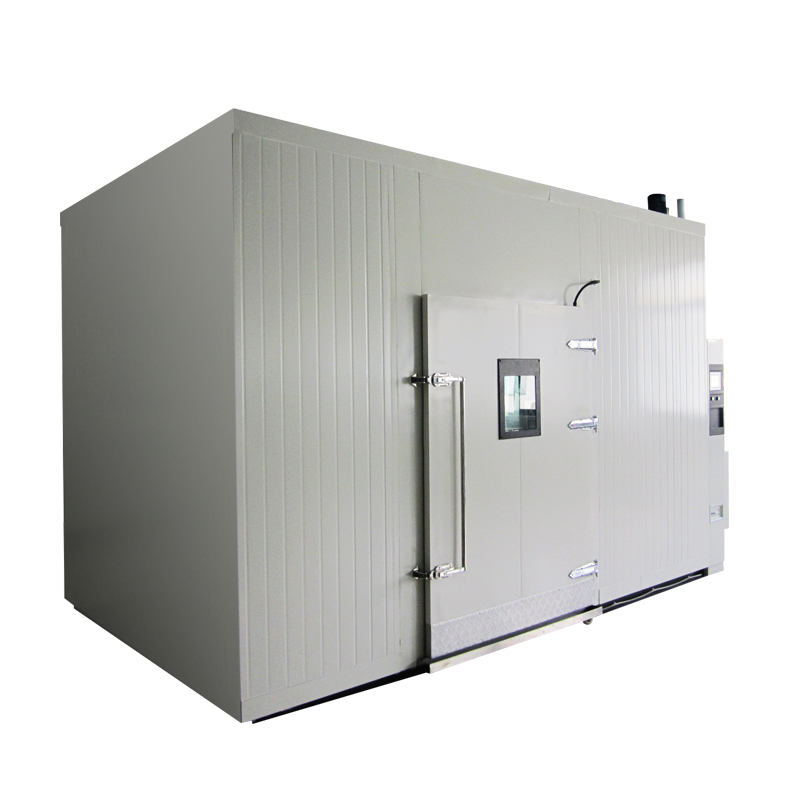
Lithium batteries may experience performance degradation, capacity loss, or even safety hazards under extreme conditions such as high/low temperatures or high humidity. Walk-in constant temperature and humidity chambers can simulate temperature ranges from -40°C to +85°C and humidity levels from 20% to 98% RH, helping verify battery stability under harsh conditions and ensuring adaptability to various climatic requirements. -
Optimizing Battery Cycle Life Testing
Cycle life is a key indicator of a battery’s economic and practical value. Long-term charge-discharge tests in controlled environments allow for accurate evaluation of battery degradation trends, enabling material and process optimization to extend service life.
-
Enhancing Safety and Preventing Thermal Runaway Risks
Temperature fluctuations may trigger thermal runaway in lithium batteries, leading to severe safety incidents. These chambers simulate high-temperature and high-humidity environments to test battery thermal stability, SEI film formation, and electrolyte behavior, providing critical data for safety design and mitigating potential risks. -
Compliance with International Standards for Product Certification
Global standards (e.g., GB/T, IEC, UN38.3) require lithium batteries to undergo testing under specific temperature and humidity conditions. Walk-in chambers meet these certification requirements, ensuring compliance with industry regulations and facilitating global market access. -
Improving R&D Efficiency and Reducing Testing Costs
Traditional testing methods relying on natural climates or small-scale chambers are inefficient and yield inconsistent data. Walk-in chambers offer large-capacity spaces for simultaneous multi-sample testing, shortening R&D cycles and lowering overall costs.
As the new energy industry rapidly advances, lithium battery performance and safety requirements are becoming increasingly stringent. Walk-in constant temperature and humidity chambers, with their precise environmental control capabilities, serve as core equipment for ensuring battery quality, providing robust technical support for R&D, production, and certification. Choosing high-quality chambers means safeguarding the safety and performance of lithium batteries!