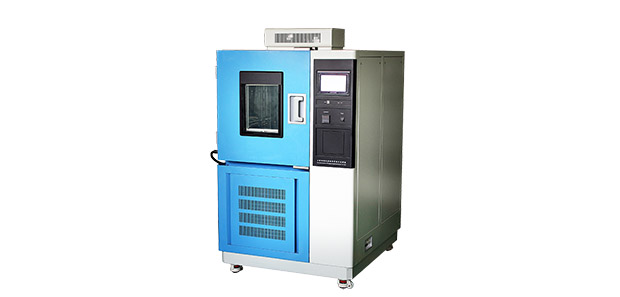
In the vast field of product quality control, mold test chambers play a unique and silent role in protecting products from microbial threats. As a type of environmental simulation testing equipment, mold test chambers specialize in creating high-humidity conditions conducive to mold growth, assessing a product's resistance to mildew and durability in such extreme environments. This article delves into the importance, working principles, applications, and profound impact of mold test chambers on product quality.
1. The Importance of Mold Test Chambers
Mold, a common microorganism, is widespread in nature and can rapidly multiply under suitable temperature and humidity conditions, severely affecting a product's appearance, performance, and even safety. In industries such as food, pharmaceuticals, cosmetics, textiles, and electronics, mold contamination can lead to product spoilage, failure, and even health risks. Therefore, conducting anti-mold testing using mold test chambers is a critical step in ensuring product quality and protecting consumer rights.
2. Working Principles
Mold test chambers precisely control internal temperature, humidity, and air circulation to simulate conditions favorable for mold growth. During testing, the product is placed inside the chamber and exposed for a set period. Observations are then made for signs of mold spots, discoloration, deformation, or other deterioration to evaluate its mildew resistance. Additionally, microbiological testing methods can be applied to quantify mold species and population within the chamber, providing scientific data for further product quality improvements.
3. Applications
Mold test chambers are widely used across industries where microbial contamination is a concern.
- Food Industry: Evaluates the mold resistance of packaging materials.
- Pharmaceutical Industry: Ensures microbial safety during storage and transportation.
- Cosmetics & Textiles: Helps manufacturers assess product stability under varying environmental conditions.
- Electronics: While mold has minimal direct impact on circuit boards, high humidity can accelerate metal corrosion and insulation material aging, making mold testing essential.
4. Profound Impact on Product Quality
Mold test chambers not only help manufacturers detect potential microbial contamination early but also drive improvements in product design and manufacturing processes. By simulating extreme conditions, manufacturers gain a comprehensive understanding of product performance limits and risks, enabling targeted enhancements in mold resistance and overall quality.
Conclusion
As a vital tool in quality control, the significance of mold test chambers is undeniable. With their specialized testing capabilities and broad applications, they provide manufacturers with thorough and accurate microbial contamination assessments, supporting product quality enhancement and consumer protection. As technology advances and applications expand, these test chambers will continue to play a crucial role in driving continuous product improvement and accelerating technological innovation.