As critical equipment for simulating harsh dusty environments, sand dust test chambers are indispensable for product quality validation. Installing such units directly on the production shop floor improves testing efficiency, yet it imposes stricter requirements for environmental control, operating procedures and routine maintenance. To ensure long-term stable equipment performance and reliable test data accuracy, the following key precautions must be followed.
1. Shop Floor Location: Foundation for Stable Operation
Position the test chamber away from doors, windows and air vents to prevent ambient airflow and temperature/humidity fluctuations from disrupting the simulated test conditions inside the chamber. The floor must be level, structurally sound and load-bearing to avoid vibration or tilting during operation. Maintain a minimum clearance of 80 cm around all sides of the unit for heat dissipation and maintenance access to facilitate future inspections and repairs.
2. Power and Pneumatic Supply: Safe and Reliable Utilities
Deploy an independent, stable power circuit in compliance with the equipment manual. A voltage stabilizer is recommended to protect precision components against voltage fluctuations. For pneumatic sand dust chambers, ensure the shop air supply is dry, clean and maintained at the specified pressure. Install an oil-water separator if necessary to stop contaminants from entering the equipment system.
3. Dust Control and Safety Protection: Environmental and Occupational Health Compliance
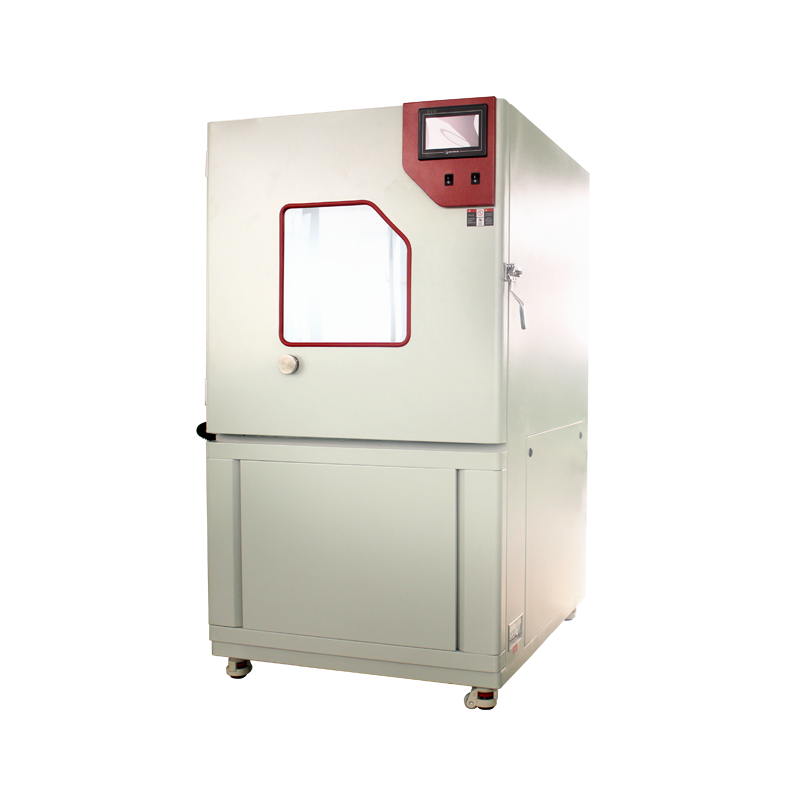
Store standard test dust (e.g., silicate dust) in a dedicated sealed area to prevent fugitive dust contamination across the workshop. Keep the chamber door fully closed during operation to avoid dust leakage. Local exhaust ventilation is recommended around the test chamber. Operators must wear dust masks and other PPE, and strictly follow workplace safety regulations.
4. Standardized Operation and Routine Maintenance: Extend Equipment Service Life
Operators shall receive professional training and master full operating procedures before use. Thoroughly clean residual dust inside the chamber after every test. Periodically inspect the condition of sealing gaskets, fan operation and filter clogging status, and replace consumables at specified intervals. Maintain equipment logs for operation and maintenance records to support traceability and asset management.
5. Mitigate Shop Floor Hazards: Pre-emptive Risk Planning
Production environments are more complex than dedicated laboratories. Pay close attention to seasonal temperature and humidity variations, power grid surges caused by startup/shutdown of heavy machinery, and collision risks from forklifts and other mobile plant equipment. Prepare contingency plans in advance, including equipment reset procedures for power outages and rapid response protocols for dust spillage incidents.
Deploying a sand dust test chamber on the production floor is an effective approach to move quality control upstream. Proper site planning, stable utility provision, standardized workflows and proactive risk control will maximize equipment performance, deliver robust support for product reliability verification, and ultimately help enterprises strengthen core market competitiveness.